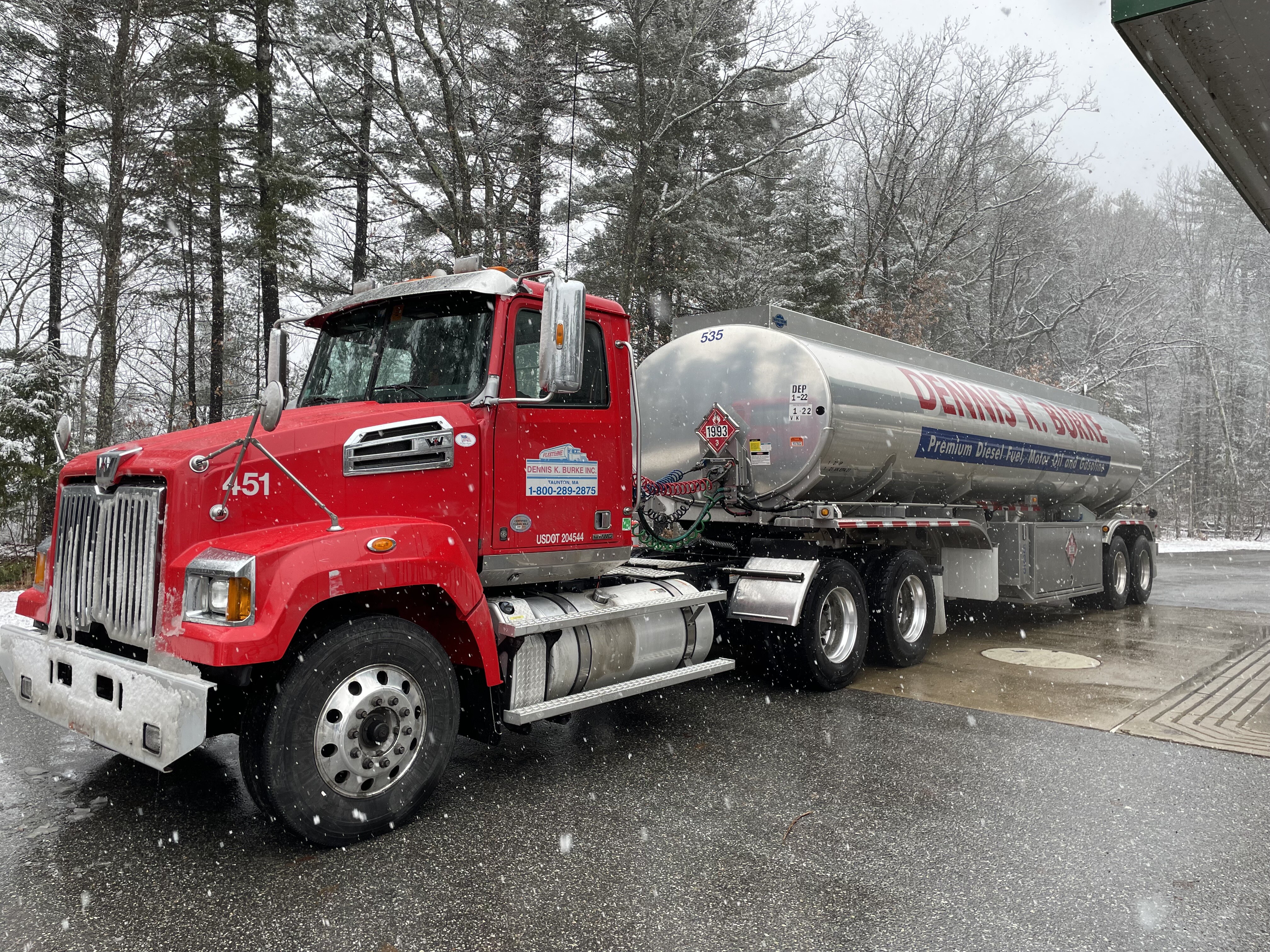
Safe Handling, Storage, & Use of Diesel Exhaust Fluid (DEF)
-1-1.png)
Diesel Exhaust Fluid (DEF) is a critical component of modern diesel engines equipped with Selective Catalytic Reduction (SCR) systems. DEF helps reduce harmful nitrogen oxide (NOx) emissions by converting them into harmless nitrogen and water vapor. While DEF is non-toxic and non-flammable, improper handling, storage, or use can lead to equipment damage, safety issues, and costly downtime. Following best practices ensures both worker safety and reliable engine performance.
Safe Handling of DEF
DEF is a clear, colorless solution made of 32.5% urea and 67.5% deionized water. Although it is considered non-hazardous, basic safety precautions should always be followed. Avoid direct contact with skin and eyes, as DEF can cause mild irritation and leaves crystalline residue when it dries. Wear gloves and eye protection when transferring or dispensing DEF, especially in bulk operations.
Spills should be cleaned promptly. DEF is slippery and can create slip hazards on walking surfaces. Use absorbent materials and rinse the area with water after cleanup. Never mix DEF with diesel fuel, gasoline, or any other chemicals—contamination can damage SCR systems and cause engine derates or shutdowns.
Proper Storage Practices
DEF must be stored correctly to maintain its quality and effectiveness. Use only approved containers made from materials such as stainless steel or high-density polyethylene (HDPE). Never store DEF in containers previously used for fuel, oil, or chemicals.
Temperature control is critical. DEF freezes at approximately 12°F (-11°C). While freezing does not damage DEF, repeated freeze-thaw cycles should be minimized. Store DEF between 23°F and 77°F whenever possible. Prolonged exposure to temperatures above 86°F can degrade DEF quality and shorten shelf life.
Keep storage containers sealed to prevent contamination from dust, dirt, or moisture. DEF should be protected from direct sunlight and stored in a clean, dry area. Clearly label all containers to avoid accidental misuse.
Safe and Correct Use
Only use DEF that meets ISO 22241 specifications. Using poor-quality or contaminated DEF can result in SCR system failure, warning lights, reduced engine power, or costly repairs. Always verify that dispensing equipment is clean and dedicated exclusively to DEF.
Never add DEF to the diesel fuel tank—DEF must only be added to the designated DEF tank. Likewise, diesel fuel must never be introduced into the DEF system. Even small amounts of contamination can cause severe damage.
Operators should follow manufacturer guidelines for refilling intervals and quantities. If a DEF warning light or fault occurs, address it promptly to avoid engine derate conditions.
While Diesel Exhaust Fluid is safe to handle when proper procedures are followed, attention to handling, storage, and use is essential. Clean equipment, temperature control, contamination prevention, and proper training all play a role in protecting employees and ensuring reliable vehicle operation. By following these best practices, organizations can maintain compliance, reduce downtime, and support a safer work environment.