Essential Strategies for Fuel Terminal & Transport Operators
In the world of logistics, supply chain details, and cutting-edge technology, it's easy for conversations to feel a bit dry. Concepts like route planning or inventory tracking might seem like mundane necessities, but they're the backbone that powers seamless experiences for everyone involved. At the heart of it all is a simple goal: delivering top-notch service to customers and a smoother workday for teams. By investing in smart technology, supply strategies, and transport efficiencies, operations, dispatch, and safety groups can streamline processes that benefit drivers and clients alike. Here's a fresh look at key recommendations and their real-world impact on daily operations.
Harnessing Technology for Smarter Operations
Start with the basics: Outfit fuel transport vehicles with GPS tracking to give dispatchers a live view of driver locations. This empowers teams to tweak schedules, assign follow-up loads, and manage timelines remotely, all without pulling drivers away from the road for check-ins.
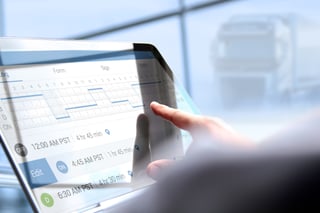
A tailored dispatch system is a game-changer, offering full visibility into customer sites. Orders flow into the platform and are pushed digitally to drivers' in-cab tablets, where they can view and mark off deliveries. This setup simplifies scheduling for monitored tanks and automated systems, with tank data uploaded twice daily to a shared platform accessible by both dispatch and customers.
For fueling operations, integrate barcode scanning on trucks to capture precise gallon breakdowns during multi-site or equipment drops. This not only speeds up the process for drivers but also generates detailed records that eliminate paperwork hassles. Customers gain quick access to these receipts and bills of lading (BOLs) via an online portal, making backend reconciliation effortless—no lost documents or delays.
On the lubricants front, apply barcoding to track products from warehouse entry to customer delivery. Scanning at every stage provides a complete traceability chain, which is crucial for quickly addressing any rare quality issues by pinpointing affected items. Drivers can scan items upon delivery for instant digital confirmations, which can be emailed to stakeholders. This cuts down on administrative work for everyone, from PO matching to inventory management.
Lubricant routes should also leverage electronic dispatching to tablets, enabling real-time updates and progress tracking. Routes can be fine-tuned based on location, past orders, business hours, and preferred delivery slots, leading to more efficient trips that minimize disruptions and maximize productivity.
For rack-based customers, link financial and contract systems with terminal access badges (TABs) and exchange platforms. This setup lets wholesalers manage overlapping contracts across various products and locations seamlessly, with real-time gallon tracking via automated emails or on-demand reports. It keeps pricing and allocations clear, allowing customers to adapt to market shifts and optimize their spending without friction.
Strategic Terminal Placement for Maximum Efficiency
Positioning terminals thoughtfully can boost performance for both self-serve rack customers and your own delivery fleet. Focus on geography and local demand to offer diverse product options through multiple access points.
Having several pull points acts as a safeguard against supply disruptions like outages or shipping delays. It also enables flexible pricing strategies within a single location—for instance, directing drivers to select from spot deals, fixed allocations, or rack options to mitigate market volatility, all without rerouting to another site and wasting time.
Ideally, terminals should align with high-demand customer areas. This overlap enhances driver efficiency for deliveries and provides convenient pickup spots for rack users. In dense urban zones like Boston, where hazardous material regulations limit routes and timings, nearby options help optimize paths and make the most of available hours.
Enhancing Transportation for Drivers and Customers
Prioritizing driver ease is key, and that starts with robust dispatching tools. Use a customized database to map out daily routes that account for customer needs, load requirements, and shift constraints—it's a complex puzzle, but the payoff is huge. Routes are delivered to drivers' tablets, ensuring clear instructions and live updates for dispatch. This facilitates quick adjustments amid the industry's inevitable curveballs.
Combine this with GPS for accurate ETAs, allowing customer service to update clients without interrupting drivers. It's a dual win: safer roads by reducing phone use and better service through reliable communication.
Ultimately, embracing these practices is about continuous improvement—refining tools and processes to elevate the overall experience for customers, drivers, and your team. By focusing on efficiency and innovation, operators can turn everyday operations into a competitive edge.