
Winter and Cold Weather Considerations
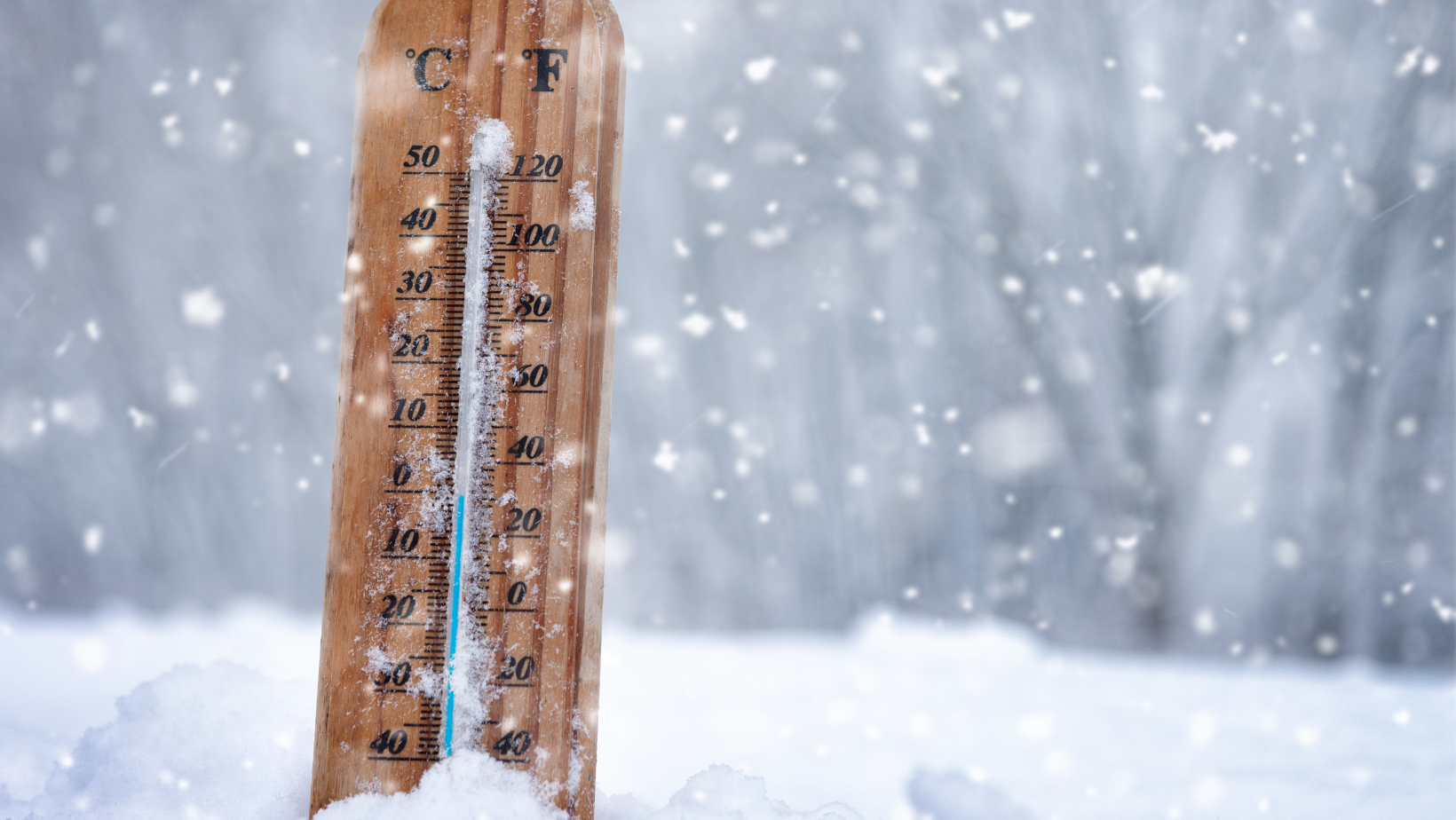
In cold of the winter, the right lubricants are crucial for vehicle performance and engine protection. Here are some key points to consider:
Cold temperatures naturally thicken lubricants which can increase circulation time and lead to premature wear. Cold temperatures with thickened lubricants can increase friction in engine components thus also leading to wear. Additionally, the moisture, salt, and contaminants in the cool air can accelerate corrosion in critical parts of your engines, especially if they’re not properly lubricated.
Quality and correct engine oil is vital for keeping your vehicles running smoothly and protecting your engines during the cold winter. Quality engine oils such as Fleetline, P66/Kendall, Petro Canada and Valvoline can make the difference in protecting your engine and affecting performance.
Viscosity grades are considered to be a key element in choosing the proper lubricant for colder temperatures. As temperatures drop, engine oil thickens and may not flow properly. Most engine wear can occur during cold start up and is even more significant during cold weather as the oil required for lubricants takes longer to produce the boundary between moving parts. Winter can have extreme temperature fluctuations. Using a lubricant with a wide temperature range or Thermal Stability should be considered. Remembering that the "W" in the grade of oil stands for "winter". 5W-30 will have less resistance to flow then that of a 10W30. The lower viscosity at low temperatures ensures the engine is well-lubricated during cold starts. Lower viscosity engine oils are now used in both automotive and heavy-duty applications.
Other Cold weather considerations and recommendations:
· Vehicle Batteries should be checked regularly because of the additional loads during start up in cold weather.
· Fuel Tanks should be kept at least half full to prevent moisture buildup and rough starts.
· Coolant/Antifreeze Levels should be checked. Mixture needs to be correct for optimal freeze and cooling system protection.
· Plan for emergency scenarios: Cold weather can be unpredictable. Keep emergency kits and supplies up to date and readily available.
By selecting the right lubricants and maintaining your vehicle's condition, you can ensure it performs well in winter weather and avoid potential damage. Always refer to and follow your vehicle owner's manual for specific recommendations.